Things I did:
Lead Designer
User Research
Dashboard Creation
Design System
Responsive Design
User Testing
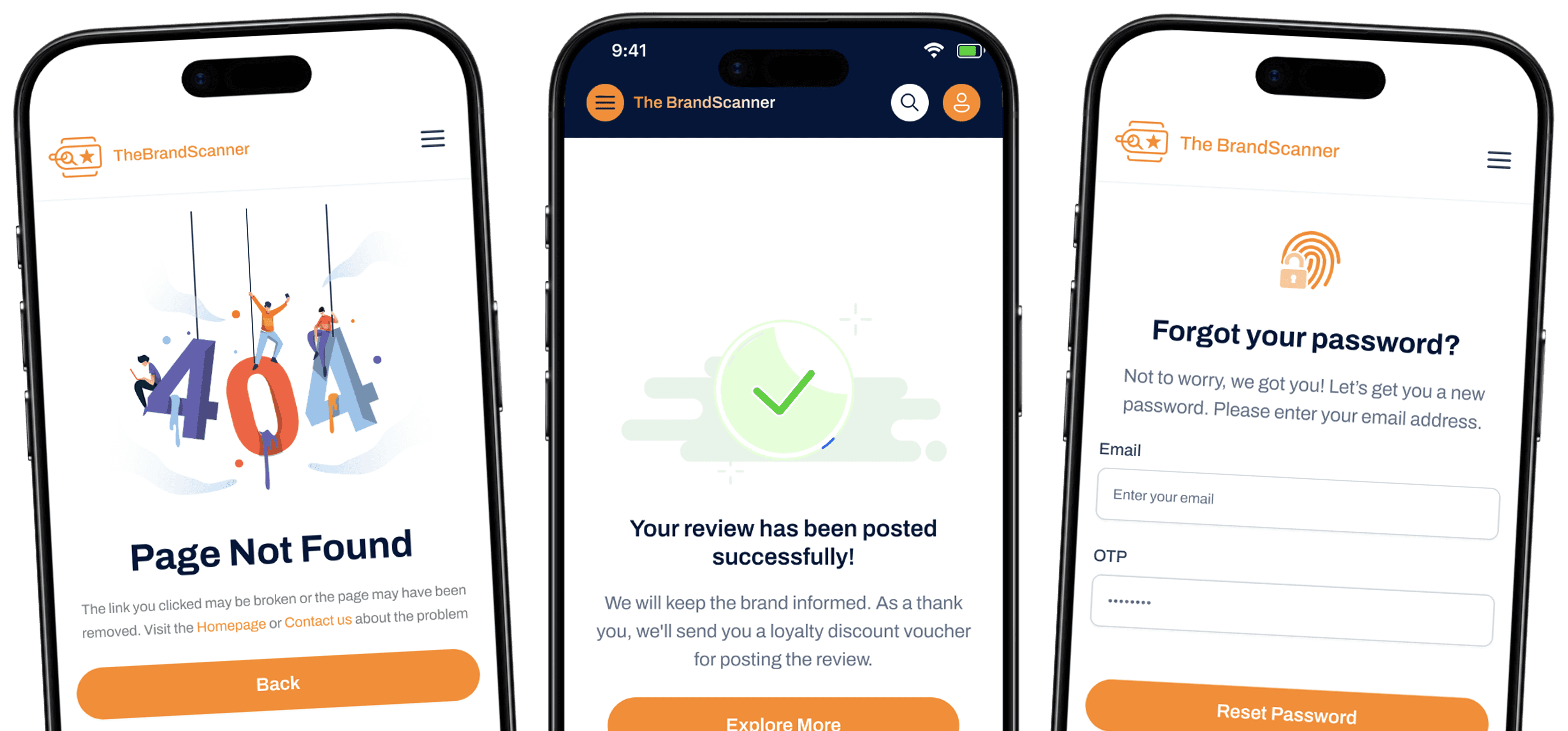
For 15 months, I served as lead designer at The BrandScanner, working on a comprehensive design system overhaul and pioneering their brand onboarding experience. BrandScanner was among the first e-commerce platforms to showcase brands rather than individual products, a strategic pivot that addressed the growing consumer demand for brand discovery beyond mainstream retailers.
Tools Used
Figma
Protopie
Role
Lead Designer
Duration
Full Time
2023 - 2024
Designer Discovery
Transformed brand discovery by introducing intelligent search functionality that connects users directly with designers. This strategic enhancement drove a 60% surge in designer profile engagement and reduced average discovery time by 40%, proving that users valued direct access to creative talent over traditional product browsing.
Scalable Architecture
Rebuilt the core information architecture to communicate brand value propositions more effectively while creating flexible foundations for rapid feature expansion. This restructure positioned BrandScanner to scale seamlessly as the platform evolved.
Design System
Established a comprehensive design system that eliminated design inconsistencies and reduced development time by 50%. This systematic approach created design efficiency across all touchpoints while enabling the team to ship new features 3x faster than the previous fragmented approach.
Brand Registration
Replaced manual registration workflows with automated self-service onboarding, enabling brands and designers to join the platform independently. This operational shift resulted in a 200% increase in new registrations while reducing internal workload by 75% and cutting onboarding time from 5-7 days to under 2 hours.
1
I partnered with a lean but ambitious team, two senior developers, a product manager, and the founding team, to execute BrandScanner's transformation. As the sole design leader, I took ownership of the entire design strategy while establishing collaborative workflows that hadn't existed before.
2
Introduced weekly design critiques with cross-functional input, ensuring developers understood design rationale before implementation and product stakeholders stayed aligned on user experience goals.
3
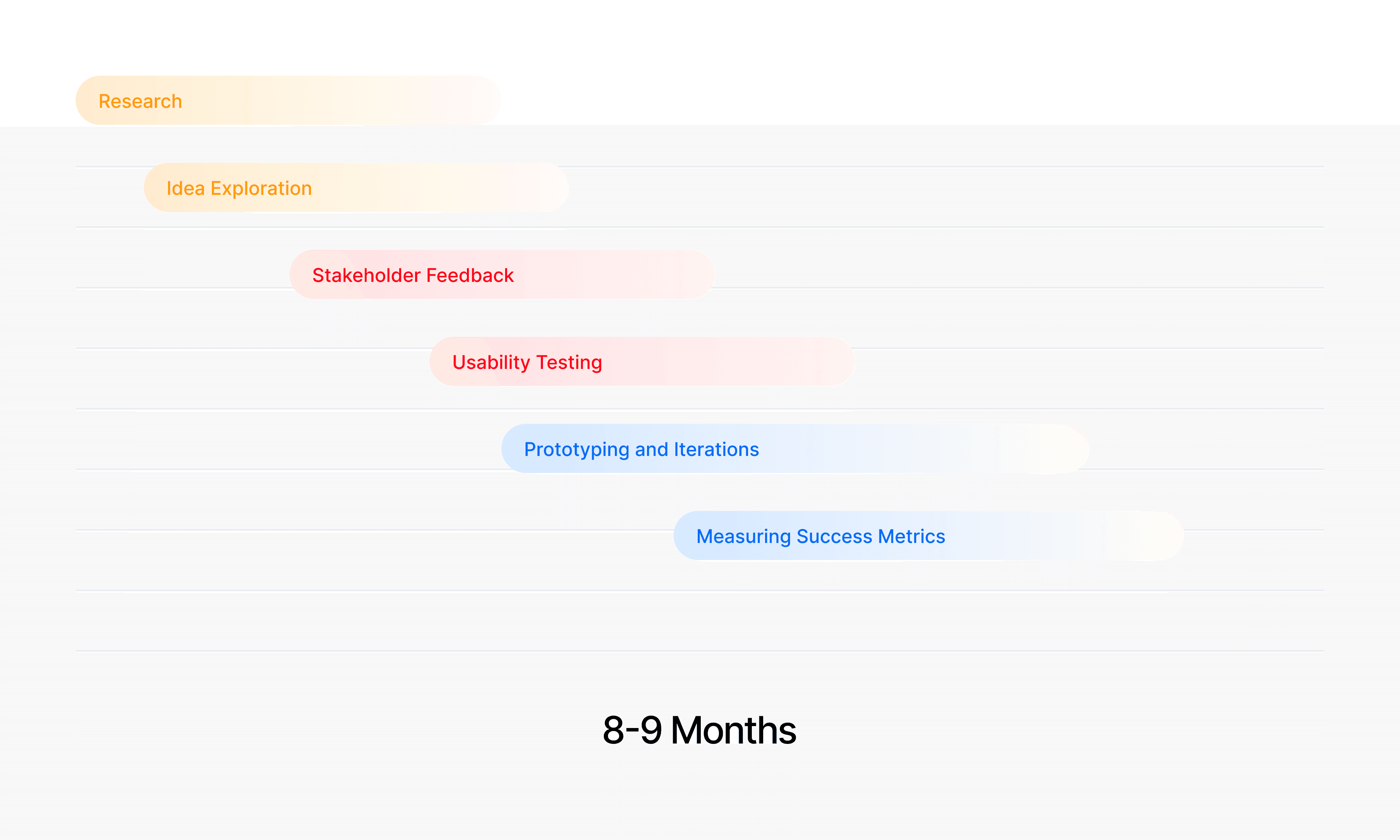
Most critically, I shifted the team's mindset from feature-focused to user-outcome focused by presenting design decisions through the lens of business impact. This approach helped me gain buy-in for complex changes like the onboarding overhaul, where I successfully advocated for longer development cycles in service of better user experiences.
Important
Taking a step back, we conducted thorough user research to understand the key pain points and needs of fashion consumers. Given BrandScanner's two-sided marketplace model, I needed to validate assumptions about shopping behaviors and brand discovery patterns before starting with the designs.
I designed a mixed-methods research approach combining quantitative surveys with qualitative interviews to capture both behavioral data and emotional motivations. The study focused on understanding multi-channel shopping behaviors, budget considerations, and brand discovery preferences, critical insights for designing a platform that serves diverse shopping styles.
Study Demographics: 112 Fashion Shoppers

48% were Men

52% were Women

10% Users Shopped Only Online
It was surprising to see only 10% of users shop exclusively online and rarely go offline shopping.
65% shop at least once monthly
45% average ticket size: ₹600-₹900
70% also shop offline every 2-3 months
32% Users were Offline-Only Shoppers
Interestingly, 32% claimed to be offline-only shoppers, yet 75% of those still shop online every few months, revealing that true channel exclusivity is rare.
55% shop every 8+ weeks
35% average ticket size: ₹600-₹900
75% also shop online every 2-3 months
58% were Omni channel Shoppers
As expected characterized by price sensitivity and a need to physically inspect products. This segment, spending ₹1,200-₹1,500, represents the most valuable group for BrandScanner.
35% average ticket size: ₹1,200-₹1,500
45% shop online every 8+ weeks
38% shop offline every 13+ weeks
Brand Discovery Paradox
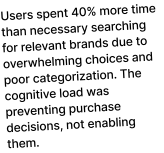
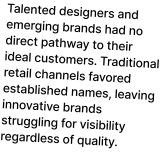
The research revealed a fundamental contradiction in fashion commerce: while 65% of users shop monthly and actively seek new brands, the discovery process was broken on multiple levels. Users were trapped in a cycle of inefficient searching, while valuable brands remained invisible despite creating quality products.
Problem #1 - Discovery Friction
Problem #2 - Brand-Consumer Disconnect
Problem #3 - Value Mismatch
With the Brand Discovery Paradox clearly defined, I led ideation sessions to explore multiple solution pathways. Rather than jumping to obvious solutions, I focused the team on generating ideas that could address all three problems simultaneously, discovery friction, brand-consumer disconnect, and value mismatch.
1
How could we reduce cognitive load while maintaining comprehensive brand access?
2
How could we create seamless pathways between brands and their ideal customers?
3
How could we capture the spending power of omnichannel users while serving diverse shopping styles?
Smart Discovery Architecture
Direct Connection Mechanisms
Value-Driven Marketplace Design
Even though we were quite excited about our unified ecosystem approach, it was crucial that users felt the same. I, along with the manager, interviewed 18-20 target users outside of BrandScanner to understand which concepts genuinely excited them.
Despite the positive validation, turning our unified ecosystem vision into reality presented several complex challenges that weren't immediately obvious during ideation. As I began working with the development team and existing platform constraints, three major roadblocks emerged.
1
Legacy Platform Limitations
The existing BrandScanner architecture was built for product-focused browsing, not brand-centric discovery. Restructuring the entire information architecture while maintaining platform stability required careful migration planning and phased rollouts that extended our timeline by 3 months.
2
Designer Onboarding Complexity
What seemed like a simple "let designers showcase portfolios" became incredibly complex when we realized designers and brands needed different onboarding flows, portfolio management tools and direct communication channels, essentially building a secondary platform within the main one.
3
Balancing Dual User Needs
Our biggest challenge was creating experiences that served both casual brand browsers and serious purchase-intent users without overwhelming either group. Early prototypes either felt too simple for serious shoppers or too complex for casual discovery.
We Decided on Brand-First Discovery Platform
Although each of the initial ideas were worthy enough to be worked on, we decided to go with the unified brand discovery ecosystem as our primary focus, mainly because our target users were extremely excited about this approach during validation, and we believed it would drive active engagement even outside of immediate purchase intent.
Deciding Factors
User Excitement Level
Technical Feasibility
Market Differentiation
Business Impact Potential
Scalability
Resource Alignment
Designing for Discovery, Not Just Shopping
Brand discovery should feel inspiring and effortless, not overwhelming and transactional. The platform needed to capture the excitement of finding something new while respecting users' time and decision-making process. Our design philosophy centered on creating meaningful connections between users and brands rather than just facilitating purchases.

Intentional Curation

Friction-Free Discovery

Human-Centered Connections
Context-Aware Design
After having spent almost a month deciding what to build, we finally moved towards the actual design strategy. The brand-first discovery platform was an exceptional opportunity which no competitor had executed before. I specifically wanted to create an experience that prioritized meaningful brand connections over transactional product browsing, drawing inspiration from how users naturally discover and connect with brands in real life.
Key Strategic Pillars
Discovery Architecture
Brand Storytelling
Conversion Psychology
Designs (Key Screens)
1
Homepage
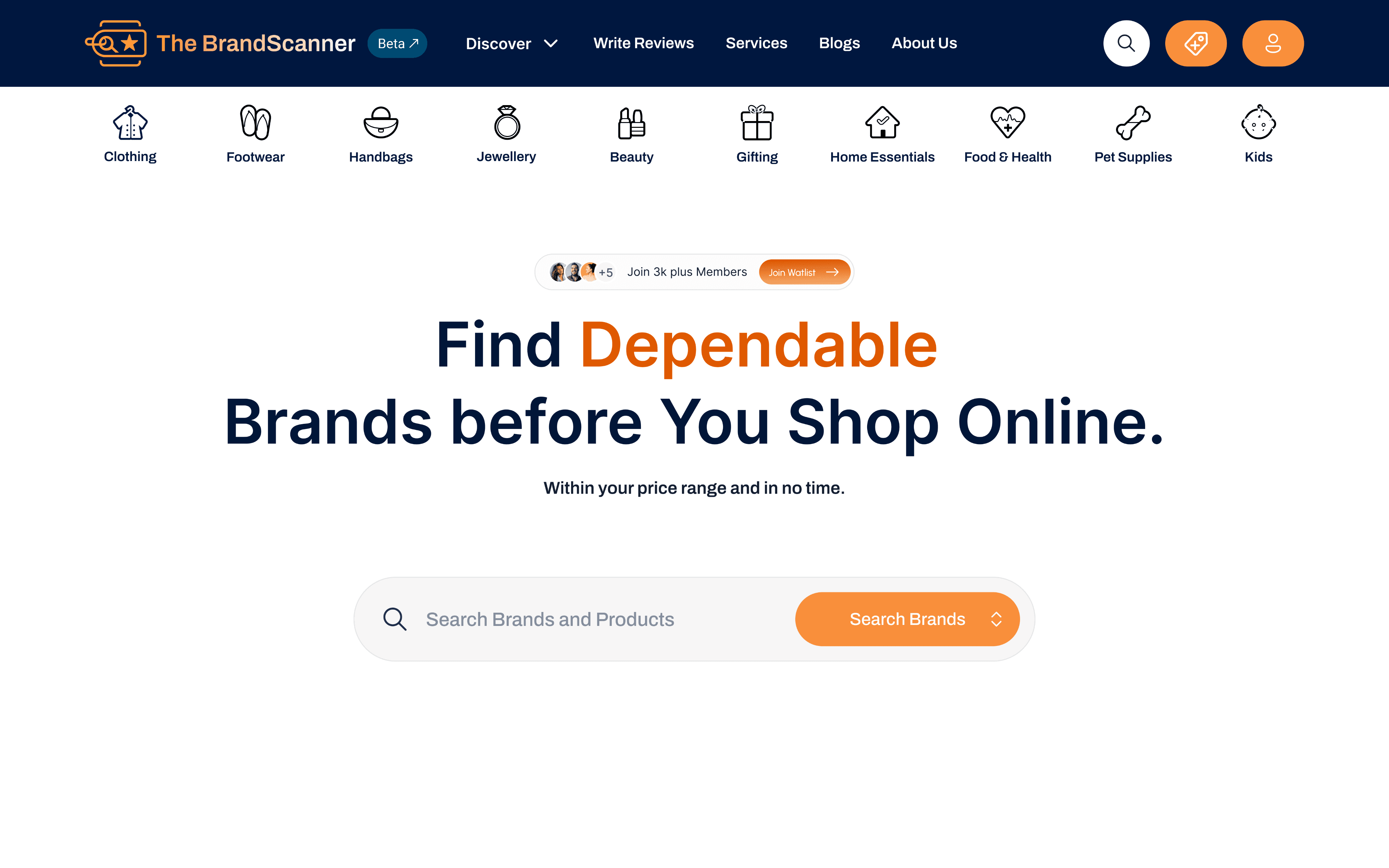
We created a clean, focused homepage with prominent category navigation and a central search function that emphasizes "Find Dependable Brands" rather than products. The design reduces cognitive load while clearly communicating our brand-first value proposition to address the 40% time waste users experienced in discovery.
2
Brand Listing
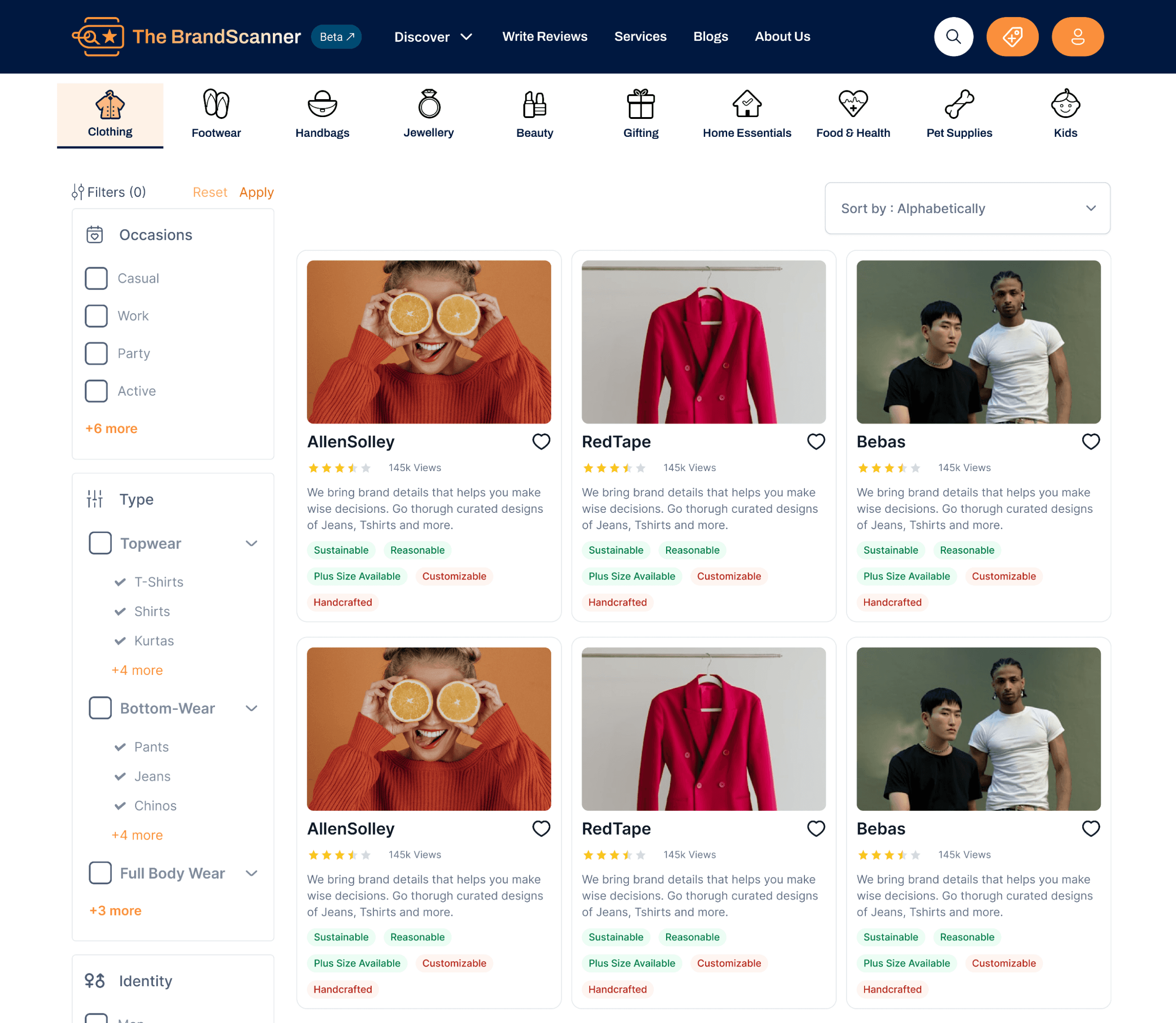
Implemented comprehensive but intuitive filtering on the left (occasions, type, identity, features, materials) while maintaining clean brand cards that show key attributes like sustainability and customization options. This design serves our highest-value user segment's need for sophisticated discovery tools while maintaining the simplicity our research validated.
3
Brand Detail
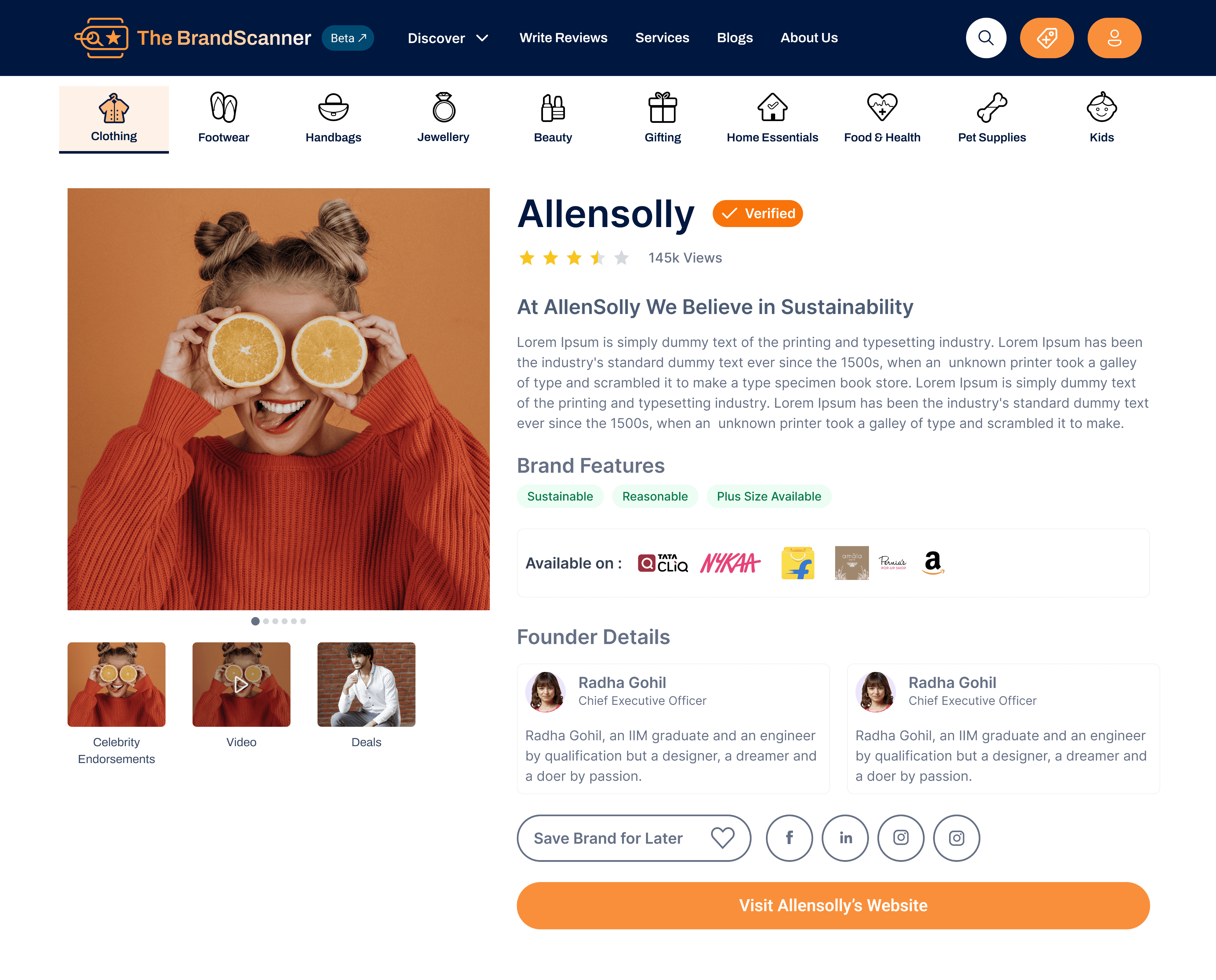
Created an immersive brand page featuring founder stories, brand values, availability across multiple platforms, and clear social proof through ratings and views. The design transforms transactional browsing into meaningful brand connection, directly supporting our philosophy of human-centered discovery while providing the comprehensive information omnichannel shoppers require.
4
Designers Listing
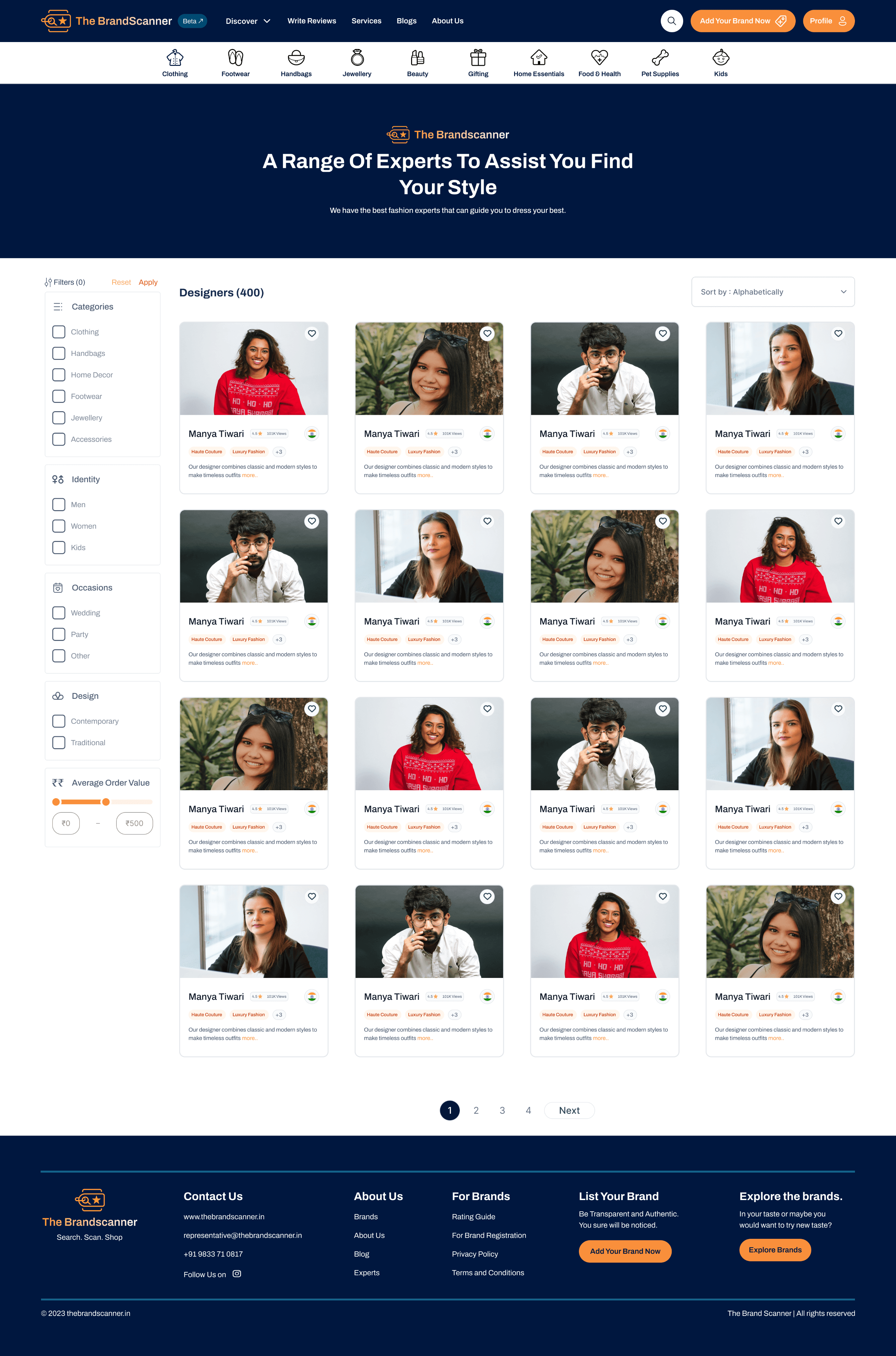
Designed a grid-based designer showcase that highlights human faces, names, and personal credentials rather than just work samples. Each designer card includes ratings, specializations, and clear contact options, directly addressing the brand-consumer disconnect problem while making talent discovery feel personal and trustworthy.